
Vocational Rehabilitation Self-Employment Guide
Chapter 8:
Self-Employment Through Subsistence
Introduction
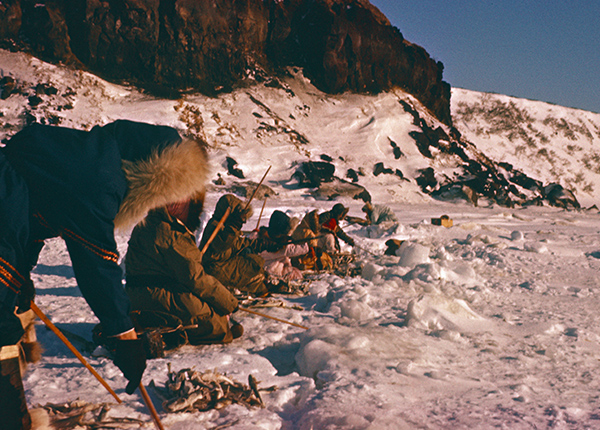
Self-employment through subsistence activities is an employment option that draws on cultural and traditional ways of life. Many tribal members, especially in rural Alaska, engage in subsistence activities by using natural resources to meet basic needs and to barter, share, and trade. Self-employment through subsistence activities is often blended with other types of employment, such as paid seasonal employment.
Self-employment through subsistence activities focuses on traditional ways of life (for example, making clothes rather than purchasing clothes). This differs from self-employment through a small business, which is focused on sales for cash income. (Note: The other chapters in this toolkit address self-employment through a small business.)
This chapter includes guidance for:
- Consumers interested in self-employment through subsistence activities
- Counselors who may be unfamiliar with supporting this employment outcome or are looking for more information
Acknowledgments
This chapter was largely developed based on presentations, materials, and guidance shared by Sara Lizak, Kawerak Inc., and Irma Goodwine, Association of Village Council Presidents, based on their experiences delivering TVR services in rural Alaska. We also incorporated additional feedback from other TVR programs that agreed to share their experiences.
Subsistence Activities
Subsistence activities encompass cultural and traditional ways of life. As a form of self-employment, subsistence activities are the cultural and traditional things you do to survive, barter, share, or trade.
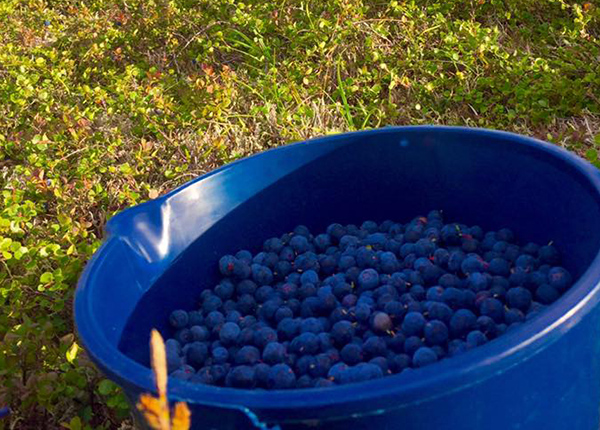
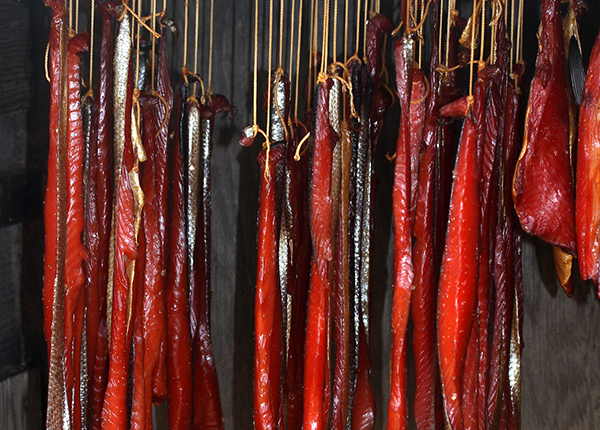
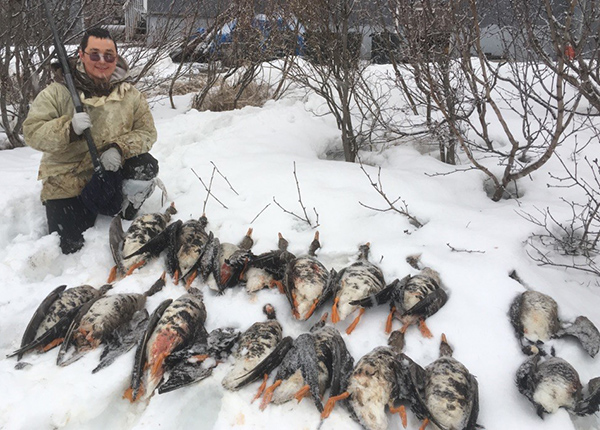
Example Subsistence Activities
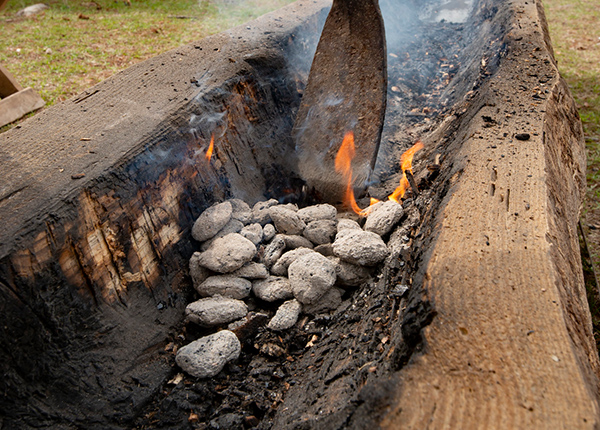
Subsistence activities can include gathering or preparing food, making traditional goods, and providing services.
Some examples include:
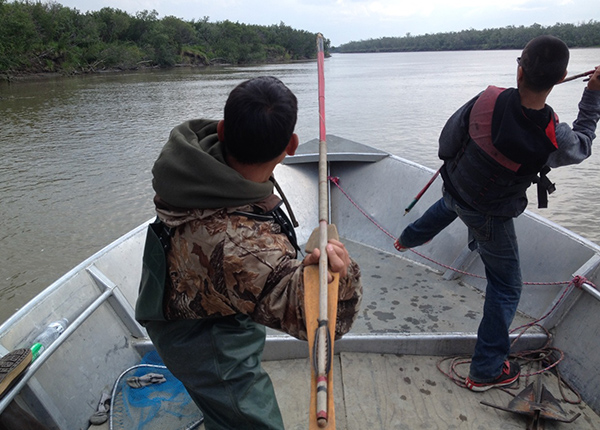
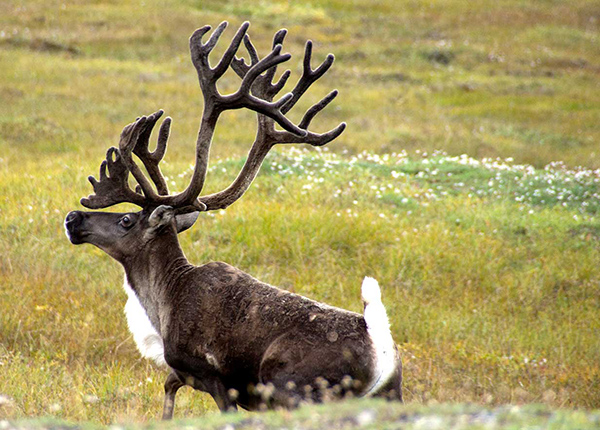
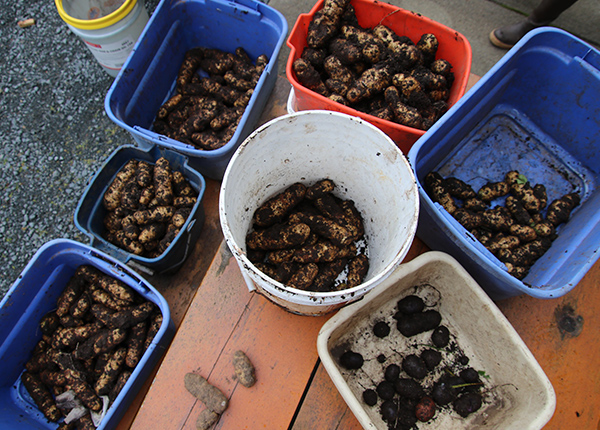
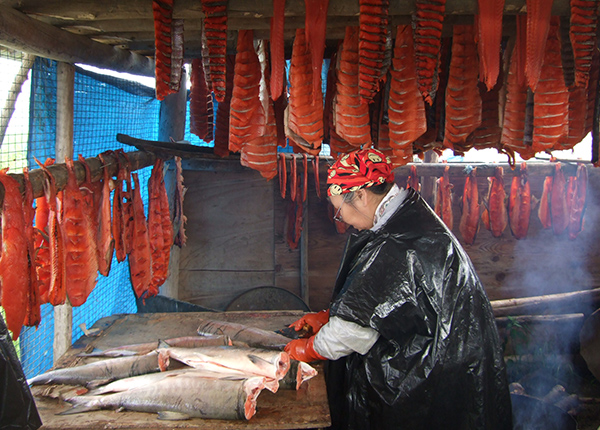
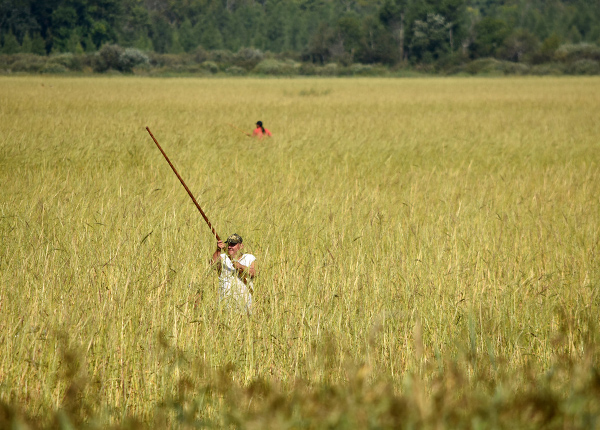
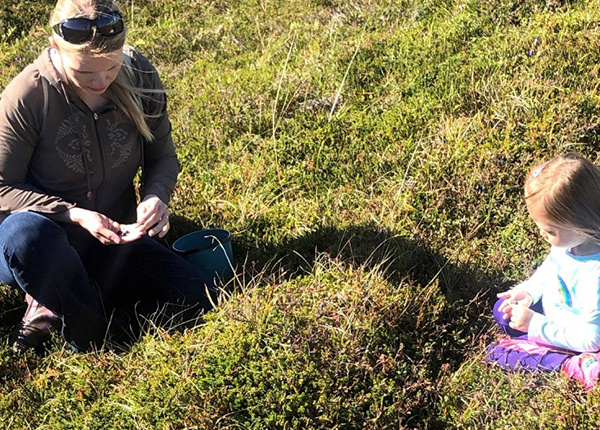
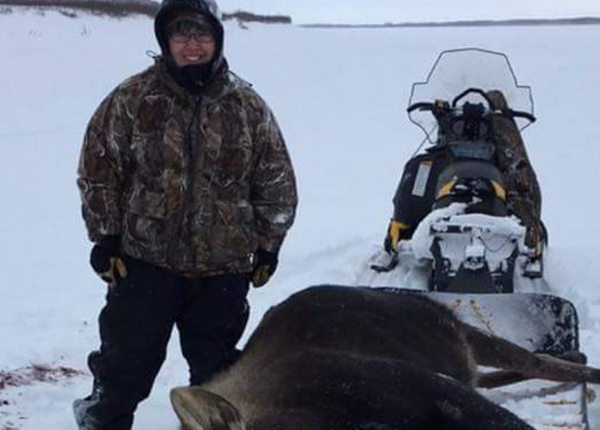
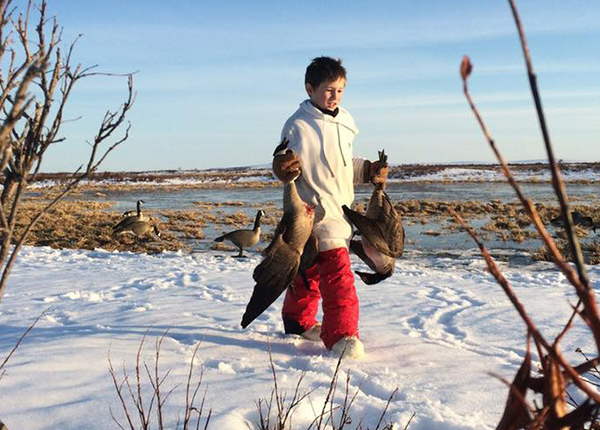
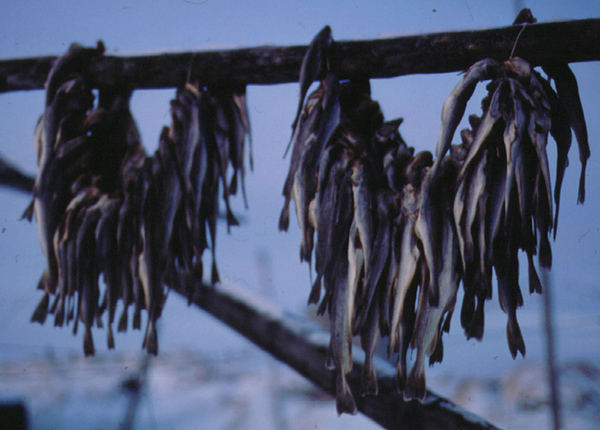
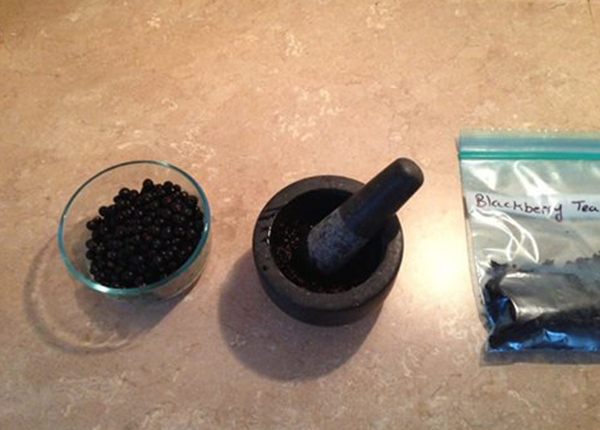
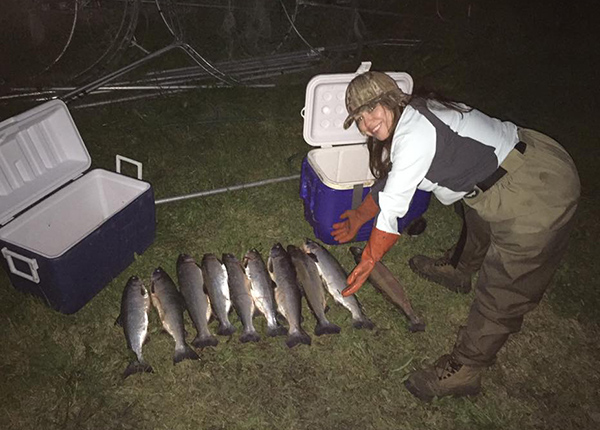
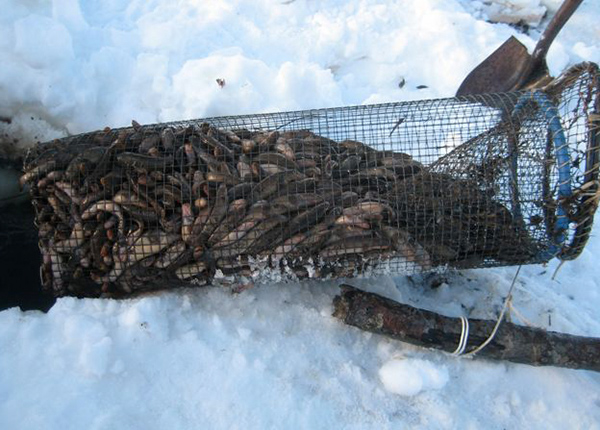
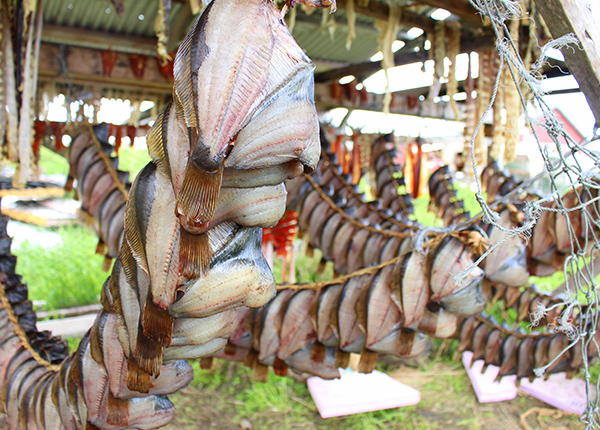
- Hunting, gathering, farming, and preparing traditional food
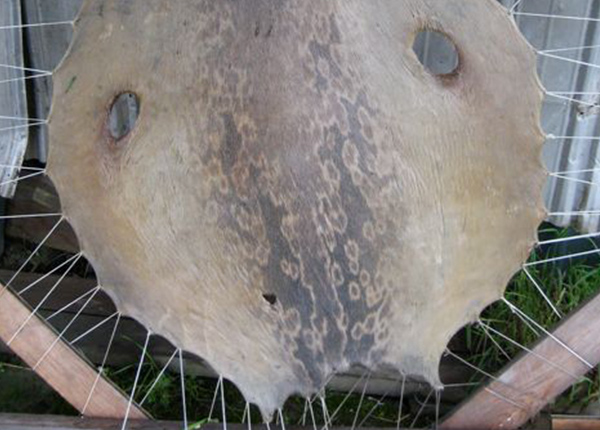
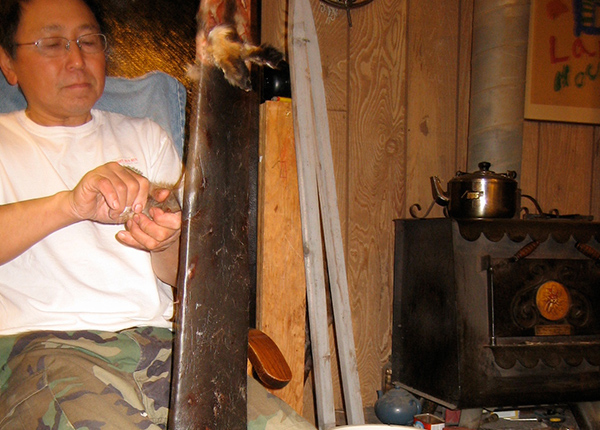
- Making clothing, footwear, and blankets
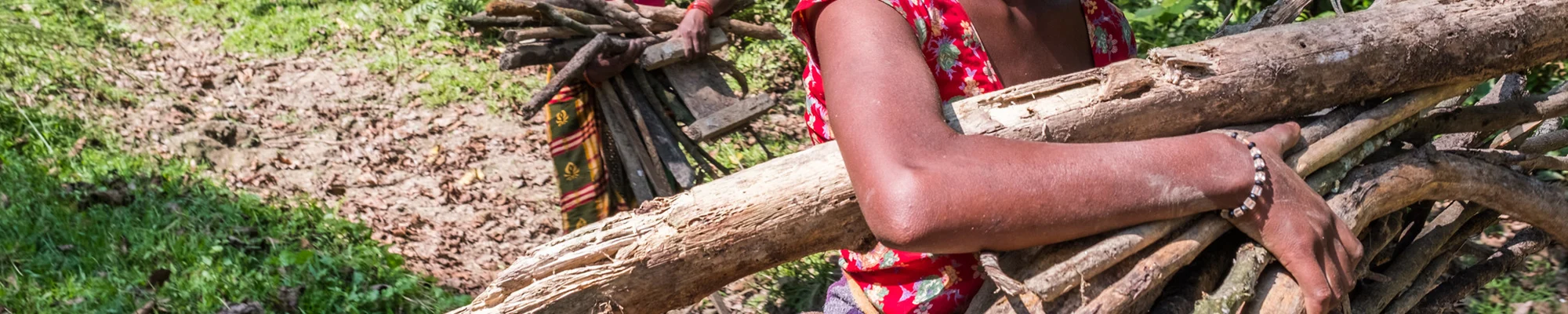
- Gathering fuels
- Constructing traditional shelters, tools, and other equipment
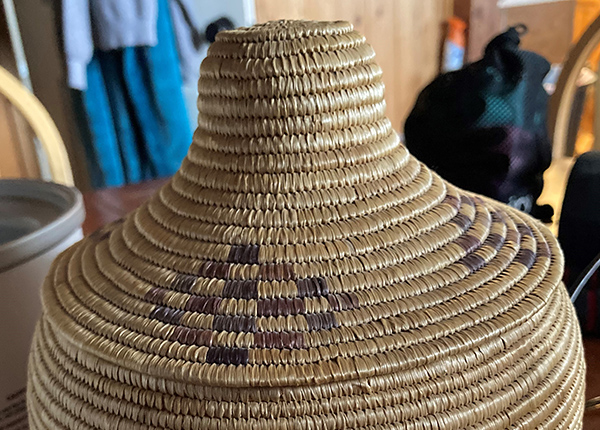
- Creating traditional arts and crafts
- Creating ceremonial objects or regalia
- Making or gathering products for traditional healing practices
Barter, Sharing, and Customary Trade
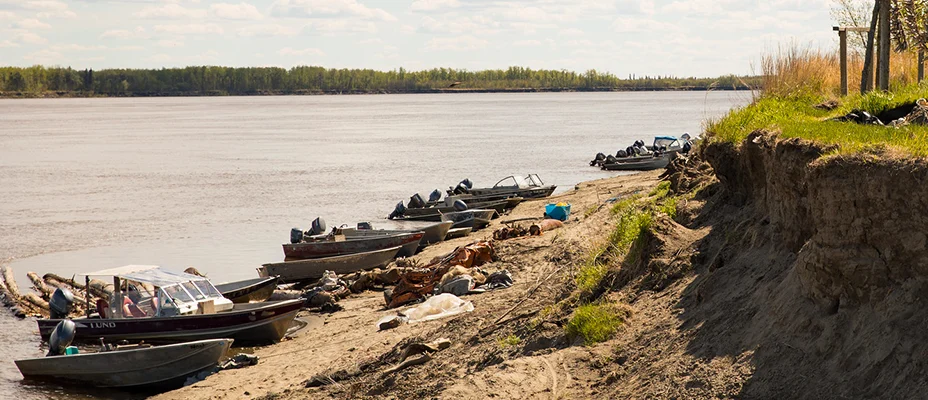
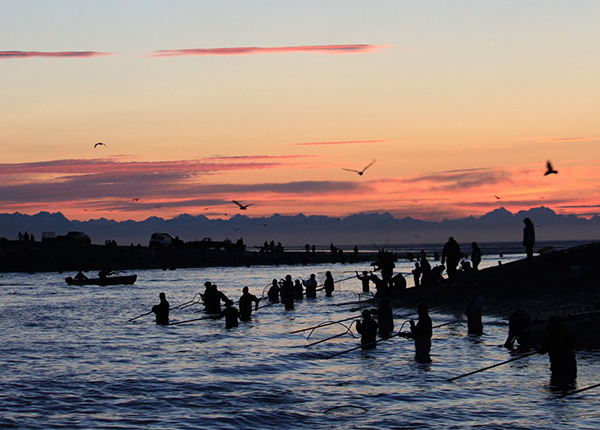
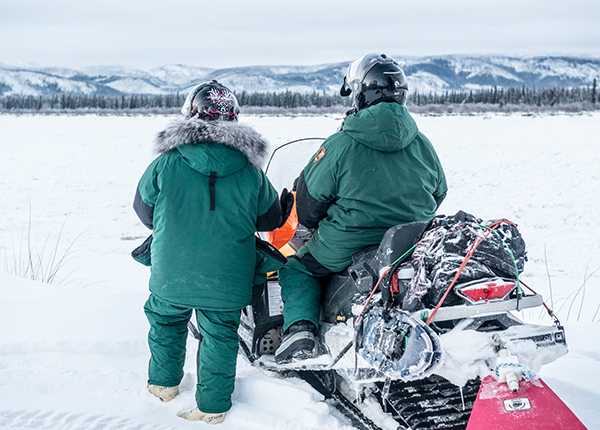
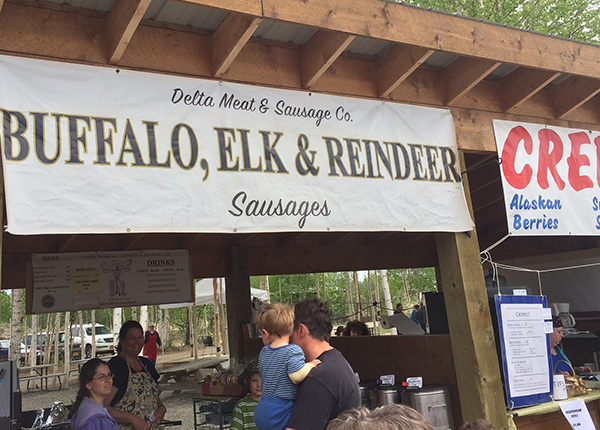
People who do subsistence activities often share, trade, or barter with other tribal and non-tribal members to gain additional things needed for living and working. For instance, someone may eat wild game for their own food, share it with extended family members, trade it for other foods or products such as dried berries or firewood, or barter it for a service, such as repair of a snow machine (snowmobile).
The Value of Subsistence Activities
Self-employment through subsistence activities draws on important traditional practices. It supports well-being through cultural traditions, community linkages, and a healthy lifestyle.
- Traditions are supported through:
- Sharing knowledge of harvest and preparation methods
- Linkages with nature and the environment
- Passage of cultural values and traditions from elders to young people
- Community is supported through:
- Sharing with neighbors who may not participate in subsistence activities themselves
- Self-reliance in remote communities through resource sharing and bartering
- Health is supported through:
- Good nutrition through natural and healthy foods
- Exercise or physical activity through participation in subsistence activities
- Mental health associated with connections to one’s community and nature
Consumer Steps in the TVR Process
When you seek services at a TVR program, you will have an opportunity to share your goals for employment. Employment can take many forms, including working for someone else, self-employment through a small business, self-employment through subsistence activities, or a combination of these.
If you are considering self-employment through subsistence activities, you will need to think about your interests and abilities to successfully meet your needs with this way of life.
Identifying Subsistence Opportunities
Self-employment through subsistence activities is a better fit for people who have experience with a subsistence lifestyle and live in a rural or remote community. If this applies to you, think about the types of subsistence activities your family and tribe participate in and which of these activities you are able and interested in taking part in.
Assess Fit with Subsistence Activities
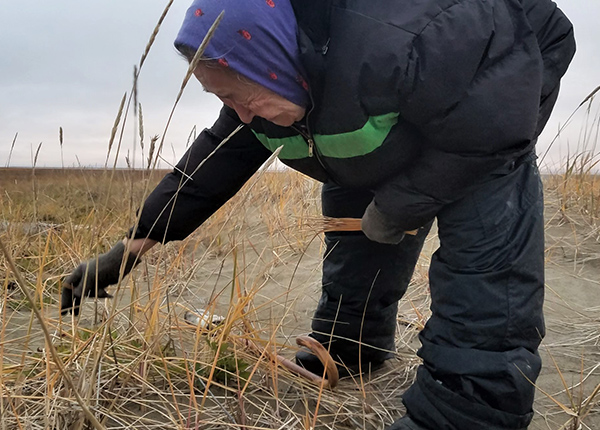
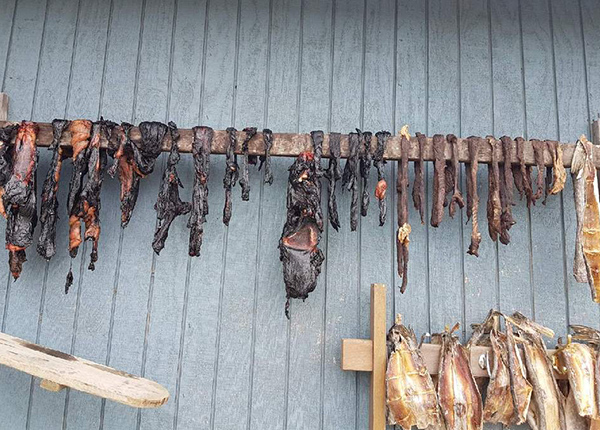
Your community may do a variety of subsistence activities— maybe your tribe hunts seals, whales, or ptarmigan, gathers roots and berries, cures and dries meat, or makes household goods for use and trade. It is important to figure out which subsistence activities you have the ability to do and which you could do if you had certain accommodations.
For instance, if you struggle with pain, figuring out activities that allow for rest and breaks throughout the day may be important. Or, if your disability makes it hard to sit still and concentrate for long periods, you might need to focus on activities that keep you moving.
Needed Skills for Subsistence Activities
Subsistence activities often rely on traditional knowledge and skills. Although you may have experience with a subsistence lifestyle, you might also need additional help learning or adapting subsistence activities to accommodate your disability.
Once you figure out the subsistence activities you want to take part in, you and your counselor will discuss the needed skills and knowledge to do these activities.
- What skills do you currently have that apply to the subsistence activities you are interested in?
- What skills do you need to learn?
- These might include things like how to make nets, skin animals, or build a sled
- What activities might need to be adapted to fit with your disability?
- What information do you need to know?
- For example, this might include laws and regulations about established hunting grounds, tribal hunting rights, and hunting limits and seasons
- Who in the community might assist you in learning these skills and knowledge?
- Do you have a relative, neighbor, or tribal elder who could help you?
Needed Supports for Subsistence Activities
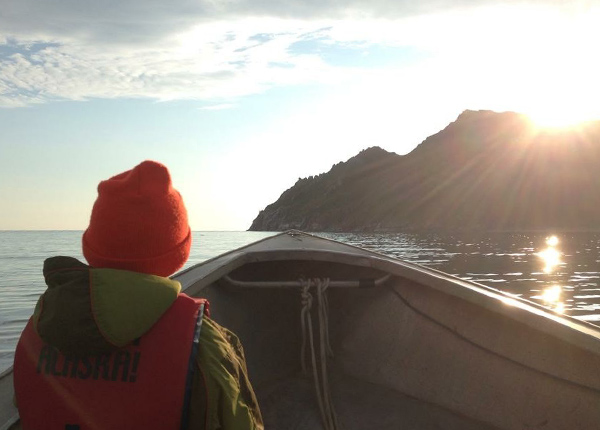
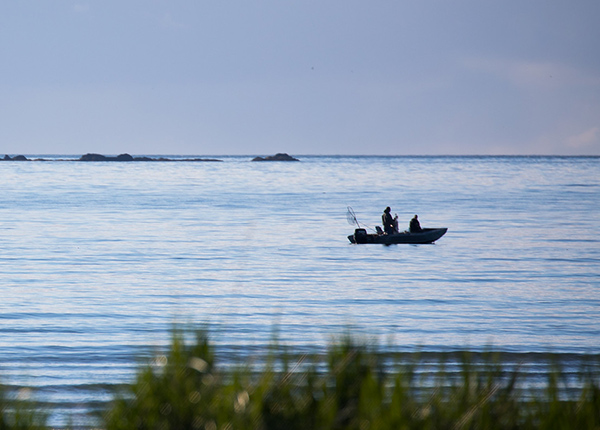
Depending on your disability, you may need support to participate in subsistence activities. For instance, if you have difficulty walking or you use a wheelchair, you might need someone to help you get into and out of your boat to fish. Your community, family, and friends might provide some of this support.
- Do you have someone in mind who could assist with these types of support?
- Do you want to invite a family member or friend to take part in meetings with your TVR counselor?
Needed Resources for Subsistence Activities
You and your counselor may discuss the equipment or supplies you need to take part in subsistence activities.
- What equipment, assistive devices, materials, or supplies are needed to do these subsistence activities?
- What do you currently have?
- What do you need?
- What resources do you have to exchange or pay for needed equipment, materials, or supplies to get started?
TVR Funding
Each TVR program has guidelines about the costs it will cover. Depending on your ability to pay, the TVR program may help you pay for things to get started.
Examples of things some TVR programs will pay for include:
- Equipment, tools, or materials
- Stipends for a community member to provide guidance and training in a subsistence activity
- Assistive technology or modifications
You and your counselor will review your case to figure out what your TVR agency can pay for.
Laws and Regulations
Subsistence activities often have rules or restrictions about where, when, and how much you can harvest. These regulations vary by location, so it is very important to learn about the specific rules that apply to your region and subsistence activity.
Questions to answer include:
- What international, federal, state, or tribal laws dictate where, when, and how much you can catch or harvest?
- Examples: The Marine Mammal Protection Act, the Migratory Bird Treaty Act, the Magnuson-Stevens Fishery Conservation Act
- Are there rules about harvesting methods?
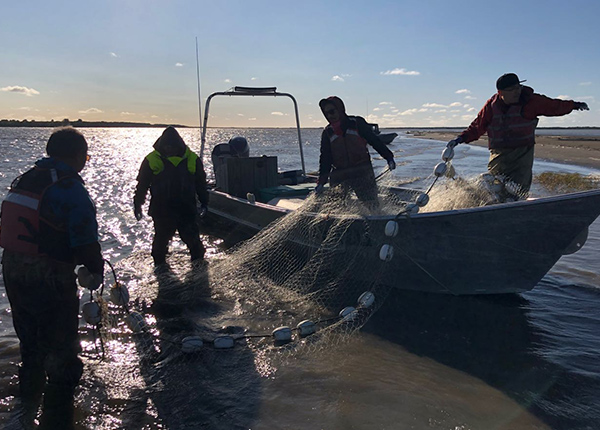
- For example, do you need to fish using seines, gillnets, hand-held lines, or certain baits?
- Do you need any specific permits or licenses to participate in subsistence activities?
- Are there specific requirements for getting future permits, such as reporting last year’s harvest?
- Are there rules about specific places you can hunt or gather, and how much you can take?
- Are there rules regulating what time of year certain activities can take place?
- Are there certain expectations or rules from your tribe?
Talk with people who are familiar with these types of rules and regulations in your region to find out which apply to the subsistence activity you will be doing.
Individualized Plan of Employment
During the TVR process, your counselor will develop an Individualized Plan of Employment (IPE) for your goal of self-employment through subsistence activities. In general, your IPE will be shaped by:
- The TVR counselor’s review of your medical records, vocational assessments, and resource needs
- Your interests and fit with subsistence activities
- Additional skills or knowledge you might need
- Community supports you might need
- Accommodations or assistive technology you might need
- Benchmarks to decide when you have met your goal of self-employment through subsistence activities, and the TVR program can close your case
Each TVR program is unique, so talk to your TVR counselor about the specific steps for you.
Combined Employment Plans
There are different options for employment plans, including self-employment through subsistence activities. If you can meet all of your employment goals through subsistence activities, your employment goal could just be self-employment through subsistence activities.
Another option is combining two or more employment options. For example, if most of your subsistence activities happen in the fall, you might do some seasonal paid employment in the summer.
Combination employment plans include two or more of the following employment options:
- Paid employment – seasonal, part-time, or full-time employment working for someone else for wages
- Self-employment through a small business – starting a business selling a product or service for cash
- Self-employment through subsistence activities – using natural resources and customary practices to meet basic needs and subsistence through barter, sharing, and trade
Talk to your TVR counselor about your likelihood of becoming self-sufficient through subsistence activities, and if you think a combination plan could be a good fit for your employment goals.
Counselor Steps in the TVR Process
Self-employment through subsistence activities is an important employment option for many consumers of tribal VR services. It can support cultural and traditional ways of life and improve well-being through strong relationships with the community.
TVR Support of Subsistence Activities
Title 34 of the Code of Federal Regulations includes specific language for American Indian Vocational Rehabilitation Services (AIVRS) that allows for self-employment through subsistence activities. Specifically:
34 CFR Part 371.6 – Subsistence means a form of self-employment in which individuals produce, using culturally relevant and traditional methods, goods or services that are predominantly consumed by their own household or used for noncommercial customary trade or barter and that constitute an important basis for the worker’s livelihood. (Authority: Section 12(c) of the Rehabilitation Act of 1973, as amended; 29 U.S.C. 709(c))
Under the law, AIVRS programs can support self-employment through subsistence activities for individuals with disabilities. Each TVR program is unique, however, so check your own agency’s policies and procedures about supporting self-employment through subsistence activities.
Getting Started
The TVR process usually begins with an initial meeting between the TVR counselor and consumer to explore the consumer’s specific employment goals. These goals may include paid employment, self-employment through a small business, self-employment through subsistence activities, or a combination of these.
Building on initial discussions, review of medical records, vocational assessments, and resource needs, the counselor and consumer develop an Individualized Plan of Employment (IPE).
This section focuses on IPE development for self-employment through subsistence activities. If the consumer needs or desires a combination employment plan to become self-sufficient, the IPE would be expanded.
IPEs for Self-Employment through Subsistence Activities
Subsistence IPEs are developed with the purpose of starting or resuming self-employment through subsistence activities. They generally include the following parts:
- A description of the consumer’s disability and how it impacts their ability to be self-sufficient
- A description of the consumer’s subsistence activity goal(s)
- A description of training, mentorship, or support the consumer needs to achieve subsistence goal(s)
- Who the consumer would like to provide this training, mentorship, and/or support if needed
- Equipment, including adapted equipment, and supplies needed to achieve subsistence goal(s)
- Costs the TVR program will cover for training, equipment and supplies, and how the remaining costs will be covered
- A description of how the counselor or TVR program will determine if the consumer is achieving the subsistence activity goal(s)
Counselor Considerations about Subsistence Goals
TVR support of subsistence goals is shaped by several factors.
- Safety – Can the consumer safely participate in subsistence activities after receiving TVR services?
- Experience – Does the consumer have experience with the subsistence activities or the ability to acquire experience through training or mentorship?
- Legality – Are the subsistence activities allowable based on federal, state, local, and tribal laws?
- Sustainability – Can the consumer maintain this level of subsistence activities after meeting the subsistence goal(s)? Can the consumer achieve self-sufficiency?
Training or Mentorship
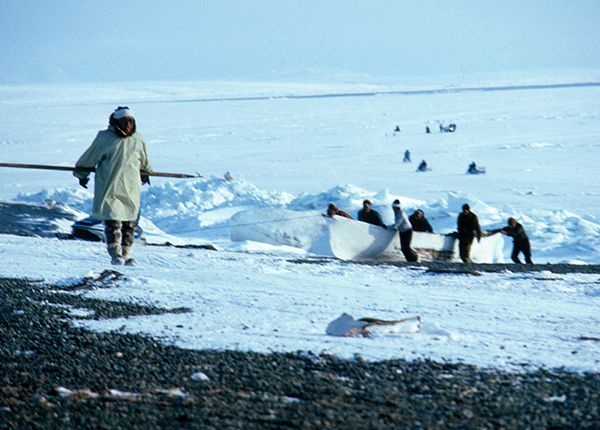
Sometimes, the consumer will need to learn new skills for doing the subsistence activity or new ways of doing things to accommodate a disability. The counselor and consumer work together to identify one or more people to become a mentor and teach these skills. Mentors might be an elder, a family member, or another community member. The consumer and counselor work together to:
- Define the type of training that is needed and to develop a schedule for getting it
- Choose mentors who have the necessary knowledge and experience in identified subsistence activities
Based on the mentor’s time, effort, and skills, the counselor will:
- Determine if the TVR program will pay the mentor(s) a training stipend, and for how much
- Help mentors develop effective teaching methods for the consumer
Other Supports
The consumer may need ongoing supports to participate in subsistence activities, including natural supports from family, friends, and community members.
- Ask the consumer who they would like to call upon for support.
- Let the consumer include these individuals in TVR meetings, if desired, so they understand the process and can offer ideas and support.
Equipment and Supplies
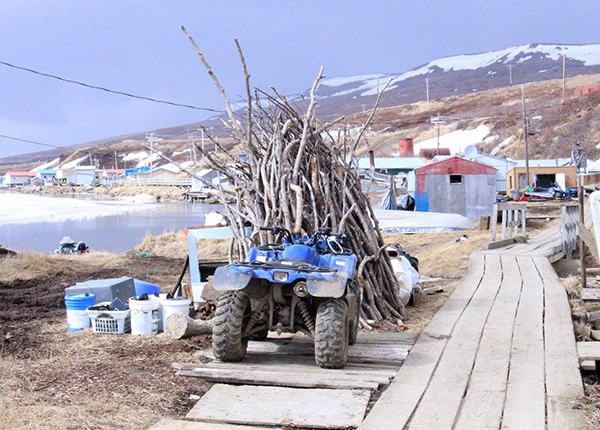
The consumer may need to purchase some equipment and supplies to participate in subsistence activities. These can range from small items such as buckets, fishing line, small tools, or ammunition, to more costly equipment, such as a snow machine, 4-wheeler, boat, or motor. Each TVR program will have specific rules for the types of expenses it can and will cover.
In meetings with the consumer:
- Determine what equipment, adapted equipment, and supplies will need to be purchased for getting started in the subsistence activities.
- Determine what funds are available to the consumer and what the TVR program can cover.
- Discuss plans for covering ongoing costs (such as gas, repairs, and other supplies) that will come up in the future, once the case is closed.
Case Progress
Follow Along
The counselor and consumer will discuss progress on subsistence activity goals. This will include discussions about training progress, self-employment through subsistence activity outcomes, and overall progress towards self-sufficiency. It is up to the counselor to take very detailed notes to document how subsistence activities are going and if the consumer is meeting specified goals in the IPE.
Each TVR program will have its own policies and procedures for following a self-employment through subsistence activities case, so confirm with your TVR director what documentation is needed. For instance, some programs may use counselor case notes, some may collect “receipts” that show an exchange of goods, and some may have forms that consumers fill out to show their progress. It is up to the TVR program to determine what is culturally appropriate for, and required of, their service population.
For state VR counselors, please refer to your own agency’s policies and procedures on self-employment through subsistence activities for guidance.

TVR Case Closure and Reporting with Self-Employment Through Subsistence Activities
The Workforce Innovation Opportunities Act (WIOA) defines successful closure (or a status 26 closure) in terms of achieving vocational goals listed in the IPE and meeting benchmarks for the 90-day follow-along period.
TVR only takes credit for a successful closure if the TVR services provided were the contributing factor to employment. In the final report, counselors write a summary that includes information on:
- How TVR services had an impact on rehabilitation
- Employment goals
- A brief description of the guidance and counseling provided
- Services provided
- Work-performance (including interpersonal relationships)
- Type of work (full-time, part-time, seasonal, permanent, self-employment, or subsistence)
- Whether the wage is comparable to similar positions
- How the environment may or may not impact the consumer’s condition
- Discussion of post-employment services.
Reporting Income
TVR programs are not required to report income earned by program participants at any point during the case and are not required to quantify the economic value of a consumer’s self-employment through subsistence activities. However, state VR programs are required to do this due to different RSA reporting requirements. Reporting requirements change, so please stay updated on changes in your area.
Case Closure
When closing a successful combined employment case (for example, self-employment through subsistence activities and paid employment), report paid employment as the employment outcome, BUT note in the summary that the employment goal also included self-employment through subsistence activities.
When closing a case where self-employment through subsistence activities was the only form of employment, report unpaid self-employment through subsistence activities as the employment goal.
Because TVR does not require specific benchmarks such as earned income or economic values, case notes and other documentation are very important for determining case closure.
Chapter Review
This chapter focused on self-employment through subsistence activities – an important employment alternative for people using traditional practices and living in remote areas. As part of the TVR program, exploration of various subsistence activities will include assessment of:
- Your interests and fit with self-employment through subsistence activities
- Additional skills or knowledge you might need to participate
- Community supports you might need to participate
- Accommodations or assistive technology you need to participate
Prepare
Use the information in this chapter to prepare for a discussion with your TVR counselor about your ideas for self-employment through subsistence activities.
- What experience do you have with subsistence activities?
- How will your disability affect how you participate in various activities?
- Who can help you learn the needed skills or knowledge, and are they willing to do so?
- Can you survive on subsistence activities alone, or do you need to think about also having additional employment, such as a part-time job or another form of self-employment?
TVR Counselor Tips
Exploring Self-Employment Through Subsistence Activities
Often, consumers who choose self-employment through subsistence activities grew up in a traditional lifestyle and have some knowledge about the subsistence activities they choose. The counselor and consumer explore various subsistence activities to assess fit with the consumer’s abilities and interests.
- Do the subsistence activities seem reasonable for achieving a subsistence living?
- Are subsistence activities allowable (in terms of legal limits, established rights, etc.)?
- Do the activities seem reasonable in terms of the disability?
- If applicable, are relationships established for future barter?
Writing a Self-Employment Through Subsistence Activities Plan
Once the counselor and consumer agree to develop a self-employment through subsistence activities plan, steps are incorporated into the individualized plan of employment (IPE), including:
- A description of the subsistence goal, including how seasonal efforts fit and allow for gathering, processing, barter, and sharing
- Needed knowledge, training or skills to accomplish each subsistence activity
- Plans for meeting training and skills needs (such as mentors, estimated length of training, and/or community supports)
- Accommodations or modifications needed to do these activities
- Estimated costs and alternatives for start-up costs that the agency may not be allowed to fund (such as ammunition or weapons)
- Demonstration that the consumer can contribute to their family and wider community through the activity
Other considerations, such as blended plans that include subsistence and paid work or self-employment.
Developing Mentor Relationships
An important role for TVR is supporting the consumer in gaining the skills and knowledge necessary to successfully engage in various self-employment through subsistence activities, if needed.
- Who in the community has the subsistence activity skills and is willing to serve as a mentor?
- Is more than one mentor needed based on the breadth of subsistence work?
- Is mentorship adequate in consideration of the disability?
- Does TVR need to provide training supports or figure out additional needed accommodations?
- How will the mentor, TVR, and consumer work together?
Tracking Regulations
It is important for the counselor to become knowledgeable about regulations across different areas and seasons. There may be restrictions on where people can do certain subsistence activities and how much they can harvest that shape the planning process.
Following a Self-Employment Through Subsistence Activities Plan to Closure
As part of the IPE, the counselor and consumer develop goals for measuring success. Closing the case includes a process that shows how these goals have been met.
Check Your Understanding:
Assessing Self-Employment Through Subsistence
Read the scenarios for Joseph and Lori. Use the information from this chapter to decide if the IPE should be written as a self-employment through subsistence activities or a combined plan, and then evaluate the consumers’ fit with this goal.
Write down your answers as you go through the scenarios and then check your answers.
Scenario 1: Joseph
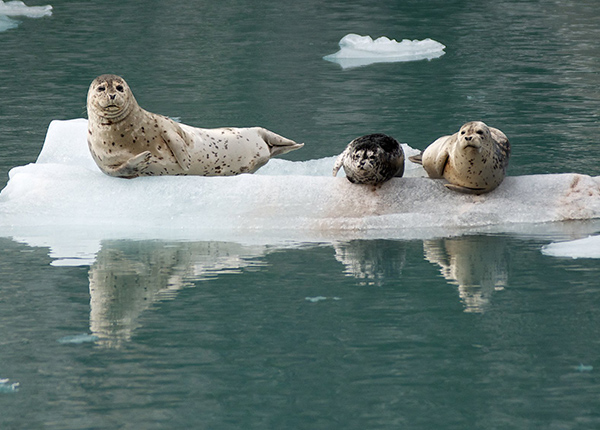
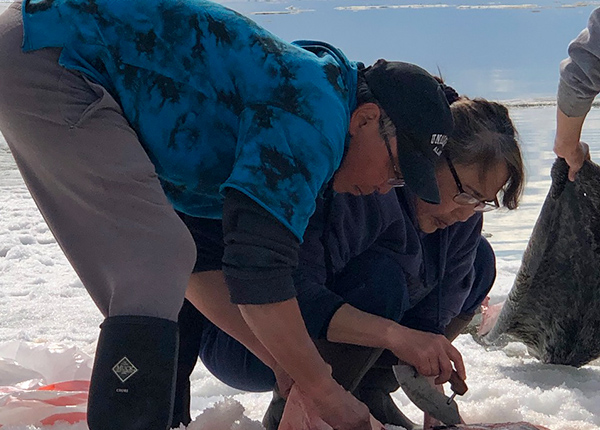
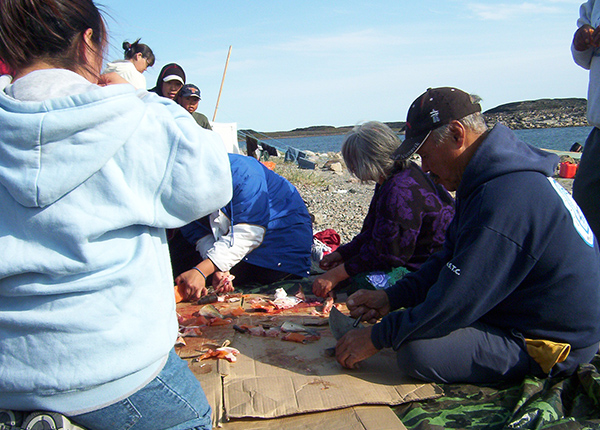
- Joseph has been hunting seals with his extended family since he was a child.
- He is a skilled hunter and has most of his own equipment, other than a boat.
- He has significant hearing loss in one ear and some hearing loss in the other.
- The family members he hunts with are getting older, and can’t go out very often or stay out very long.
- Joseph wants to be able to hunt more often to provide his family and elders with food.
- He has been hunting the same area for many years and knows the game trails well, but his hearing loss can impact his awareness of his immediate surroundings.
Think about Joseph’s self-employment goal.
- First, write down what type of IPE Joseph and his TVR counselor should develop (a combination plan or a plan that focuses on self-employment through subsistence activities alone).
- Next, write down what type of support Joseph has or needs to pursue his employment goal.
- Then, write down what additional information Joseph and his TVR counselor could discuss.
Open the “Joseph’s Employment Goal” accordion below to compare your answers.
Joseph’s Employment Goal
Type of Employment Plan
Joseph identified self-employment through subsistence activities (hunting seals) as his employment goal. Since seal hunting is seasonal, he may want to expand his plan to include additional subsistence activities. In these cases, Joseph and his TVR counselor would develop a self-employment through subsistence activities plan. Or, if Joseph decides to work a seasonal part-time job during the non-hunting season, he and his TVR counselor could develop a combination plan.
Needed Supports
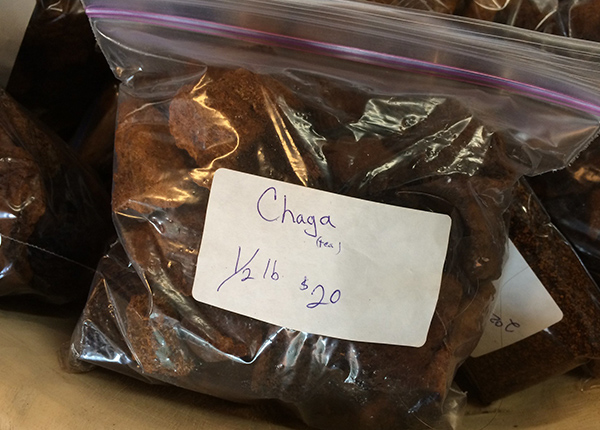
Joseph may need to find new hunting partners or family members who can hunt with him and help alert him to auditory sounds he may not be able to hear, such as approaching animals or cracking ice. He may also want to explore different types of assistive technology that could help him with hunting or boat safety, and to also get hearing protection.
Additional Discussion
Joseph and his TVR counselor should discuss his employment goals and whether subsistence hunting is the best way to help him reach those goals. He may decide that he might also like to pursue a seasonal job during the off-season to help support his family (a combination plan). They should also discuss the supports and resources he will need to hunt safely and become self-sufficient. They should also discuss benchmarks to decide when he will have met his goal, so the TVR counselor can successfully close his case.

Scenario 2: Lori
- Lori lives in rural Alaska and has been hunting with her family since she was young.
- Lori has dexterity issues, which make it hard to handle a gun easily and safely.
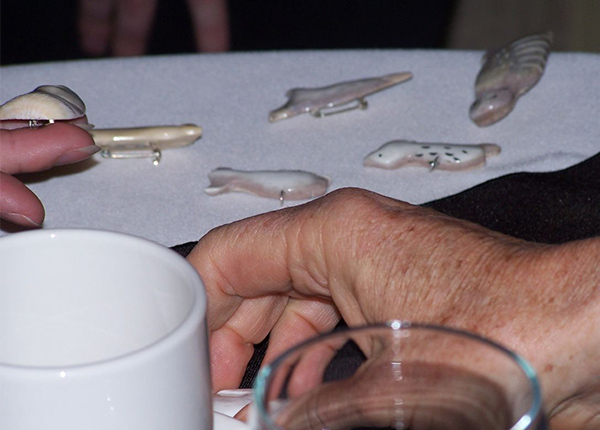
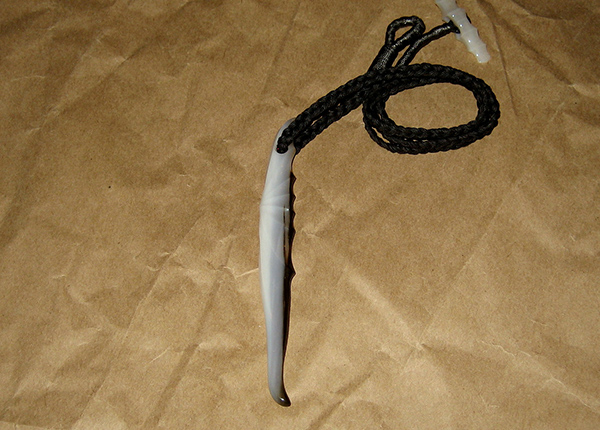
- Lori’s grandmother and mother make jewelry out of porcupine quills and grouse feathers from the game they hunt, and sell them through a gift shop in Anchorage.
- Lori wants to carry on the tradition of making jewelry. She also wants to start an online shop to sell the jewelry she makes.
- Lori has learned to make jewelry, but sometimes she is frustrated with her tools. She knows there is assistive technology out there that could help her with these activities, but she doesn’t know how to find out what might work best for her.
Think about Lori’s self-employment goal.
- First, write down what type of IPE Lori and her TVR counselor should develop (a combination plan or a plan that focuses on self-employment through subsistence activities alone).
- Next, write down what type of support Lori has or needs to pursue her employment goal.
- Then, write down what additional information Lori and her TVR counselor could discuss.
Open the “Lori’s Employment Goal” accordion below to compare your answers.
Lori’s Employment Goal
Type of Employment Plan
Lori described a combination plan that included self-employment through subsistence activities (hunting) and self-employment through a business (making and selling jewelry online).
Needed Supports
Lori has support to engage in these activities. Her family will continue to help her with hunting, and her mother and grandmother will help her further develop her jewelry-making skills.
Additional Discussion
Lori and her counselor need to explore assistive technology for these two activities. Lori will also need help setting up a way to sell her jewelry online. They should also discuss how her dexterity challenges may impact her ability to continue making her own jewelry if she is unable to get helpful assistive equipment. Instead of making her own jewelry to sell as a business, she may want to focus on creating and managing an online store to sell her family’s jewelry, and make her own jewelry as a hobby. Lori may also want to talk to her counselor about what skills and resources she needs to run an online business, including: a camera to take photos of her jewelry, how to set up a website and manage payments, internet access, and shipping supplies.