
Vocational Rehabilitation Self-Employment Guide
Chapter 1:
Self-Employment Overview

Introduction
People explore self-employment for many reasons:
- Self-employment can offer a flexible schedule.
- Self-employment can create opportunities for work when there aren’t many options for paid employment.
- Self-employment can allow for more creativity or continuing a family tradition.
Whatever the reason, many people with and without disabilities dream of owning a business.
This guide is designed to help you decide if self-employment is a good option for you, and can help you work through the first stages of business planning. Although the guide was written to help you and your Tribal Vocational Rehabilitation (TVR) counselor work through the self-employment process together, it can be used by anyone thinking about starting a business.
The guide is divided into eight chapters. The first seven chapters provide information about starting a small business. The final chapter covers self-employment through subsistence activities. Use the Glossary of Business Terms as a reference.
Website Housekeeping
- Website Navigation: View the Website Navigation page if you are unsure how to navigate this site.
- Materials: Select the Materials menu item at the top of the page to download print-only versions of each chapter and chapter worksheets, spreadsheets, and examples.
- Glossary: Use the Glossary of business planning terms as a reference if there are business terms you are not familiar with in this guide.

Chapter Overviews
Chapter 1: Self-Employment Overview
“Self-Employment Overview” goes over some basic information about self-employment. It also describes how the process may work in Tribal Vocational Rehabilitation.
Chapter 2: Self-Employment Readiness
“Self-Employment Readiness” asks you to think about your reasons for becoming self-employed. You will think about how self-employment fits with your values, traits, and skills.

Chapter 3: Business Feasibility
“Business Feasibility” focuses on your business idea and how to figure out if the business has a good chance of success.
Chapter 4: Introducing the Business Plan
“Introducing the Business Plan” describes the parts of a business plan and why it’s important to plan out business details ahead of time.

Chapter 5: The Marketing Plan
“The Marketing Plan” highlights the many ways you can do research about your business. It also describes different ways to reach customers.
Chapter 6: The Operations Plan
“Operations Plan” covers legal requirements for getting started and how your business will be managed and operated.
Chapter 7: The Financial Plan
“Financial Plan” helps you predict costs and revenues during business start-up and beyond.
Chapter 8: Self-Employment Through Subsistence Activities
“Self-Employment Through Subsistence Activities” provides information about another form of self-employment that fits with traditional cultural practices, particularly in rural Alaska.
Self-Employment and TVR
Self-employment is NOT a vocational goal. It is a way to reach a vocational goal.
For example, your vocational goal may be to become a chef. To reach this goal, your strategy might be to work for someone else, such as at a restaurant or school. Or, you could start your own business, such as a catering service or food truck.
When working with TVR, you first decide on a vocational goal. Then you and your TVR counselor will talk about different strategies to reach this goal, which might include self-employment.
Starting a business requires a lot of work, time, and planning. By going through the material in this guide, you will learn more about what it takes to start your own business. At any point, you may decide that self-employment is not a good choice for you (or not a good choice for you right now). It is okay to change your course. Different people use different strategies to achieve their goals, and self-employment isn’t the right strategy for everyone.
TVR Self-Employment Process
Each TVR agency will have a slightly different process for starting self-employment. Most agencies will include the following activities, but not necessarily in this order. Talk to your TVR counselor about the specific steps for your agency.
Explore Self-Employment
To get started, tell your counselor you are interested in self-employment. Explore the pros and cons of self-employment with your counselor. During this step, your counselor can give you information about the TVR agency’s self-employment policies and procedures.
Assess Your Readiness
Assess your readiness for self-employment and the feasibility of your business idea.
- Do you have the skills and dedication it takes to open your own business?
- How doable is your business idea? Is it actually feasible?
- Do you have a realistic picture of what it means to own your own business?

Develop an Individual Plan of Employment (IPE)
Work with your TVR counselor to outline steps towards reaching your vocational goal. At this point in the process, the IPE is focused on your vocation or profession, not self-employment.
Prepare for Self-Employment
Figure out the resources you need to prepare for self-employment. This could include training, education, or other activities.
- What additional skills do you need to run your business? These might include things like bookkeeping or computer skills.
- If you are new to self-employment, could you meet with a business owner who makes a similar product or service to learn how they run their business?
Assess Your Continued Interest
After preparing for your vocation and building skills to run your own business, are you still interested in self-employment?
If not, explore other options with your counselor, such as paid employment.
Write Your Business Plan
Work with your counselor and other business mentors to develop your complete business plan.
- Review chapters in this guide to work through the business planning process.
- Work with business development resources in your community.
- Remember: Start small. You can always expand after you’ve been in business for a while and your business is doing well.

TVR Review
Once you have completed your business plan, the TVR agency will review it.
If the agency supports your self-employment proposal, your counselor will change your IPE to include information about how much funding TVR will give you for your business and how that funding can be used.
Secure Funding
If needed, secure more funding for starting your business.
- Identify funding options, such as family, friends, banks, or microloan programs to help cover initial business costs.
- If funds are not available, talk with your TVR counselor about revising your business goals or work with them to think about other employment options.
Develop Supports
Develop a support system for operating your business.
- Work with your counselor to find a mentor or expert to help you with questions or issues as they come up.
- Identify personal supports, such as friends or family, who are willing to help as you get your business started.
- Go over the benchmarks that TVR will use to follow and close your case.
Run Business and Close TVR Case
Once your business is up and running, you and your counselor will develop targets for closing your self-employment case with the TVR program. These targets usually include making a certain amount of profit or selling a certain number of items. Once your business reaches these targets, your counselor will continue following your case for a specific period of time (90 days) to be sure the business is stable before closing your case with the TVR program.

TVR Self-Employment Limits
TVR Limits
TVR programs often limit the types of self-employment businesses and costs they will support.
Every TVR agency has its own set of rules. Check with your counselor about the specifics of your program.
Business Types
Some types of businesses may not be supported by the TVR agency, such as:
- Businesses that are speculative (for example, investments or inventions that have high risk)
- Businesses that are organized as non-profits
- Businesses that are done as hobbies rather than as a means of gainful income
- Franchise businesses
- Multi-level marketing businesses, also known as pyramid schemes or “MLMs,” which require you to recruit additional people to generate returns or money. (Read more about pyramid schemes on the Federal Trade Commission Consumer Information website: Multi-Level Marketing Businesses and Pyramid Schemes)
Business Costs
Business costs that may not be supported or covered with TVR funds include:
- Purchase of property (such as land and buildings)
- Labor costs
- Interest payments on loans
Section Review
Write down answers to the following questions, then select the “Review Your Answers” accordion to compare your answers.
Vocational Goal Question
Is self-employment a vocational goal?
TVR Limits Question
Are there limits to the types of self-employment businesses that TVR will support?
Review Your Answers

Vocational Goal Answer
Question: Is self-employment a vocational goal?
Answer: No, self-employment is a strategy for reaching a vocational goal.
VR Limits Answer
Question: Are there limits to the types of self-employment businesses that VR will support?
Answer: Yes. Every TVR agency has its own set of rules about the types of businesses it will support and the types of costs it will cover. Check with your counselor about the specifics of the agency you are working with.
Consumer and Counselor Roles
Your TVR counselor will guide you through the self-employment process. However, you and your counselor each have specific roles.
Consumer Roles
As you work to become self-employed, you will be expected to complete readiness, business start-up, and business operations activities. Your TVR counselor will help you with these activities, but you will need to do most of the work yourself.
Consumer Readiness
Consumer business activities include:
- Establishing connections with people who will help you develop your business
- Developing a business plan
- Getting necessary permits, licenses, and insurances
- Securing business start-up funds
- Locating suppliers
- Developing a customer base

Consumer Business Start-Up
Consumer business activities include:
- Establishing connections with people who will help you develop your business
- Developing a business plan
- Obtaining necessary permits, licenses, and insurances
- Securing business start-up funds
- Locating suppliers
- Developing a customer base
Consumer Business Operations
Consumer business operations activities include:
- Opening the business
- Running the business
- Providing information to TVR about your progress until your case is closed

Counselor Roles
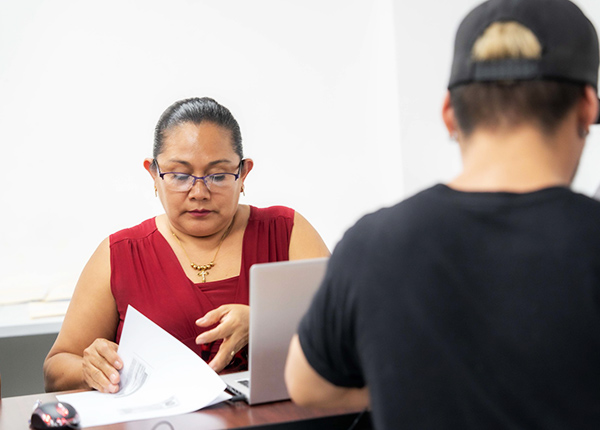
Counselors guide consumers through the self-employment process. They connect consumers with additional resources for training, technical assistance, and financial assistance for business start-ups. They provide preparation, start-up, and follow-along support.
Counselor Preparation
Counselor preparation support includes:
- Describing the TVR agency’s self-employment process, including counselor and consumer roles
- Helping the consumer assess readiness for self-employment
- Helping identify any training needs or supports
Counselor Business Start-Up
Counselor business start-up support includes:
- Supporting the consumer as they develop the business plan
- Providing resources and helping the consumer make connections with people in the community who can help with business development
- Obtaining necessary Release of Information forms so the counselor can share information about the consumer with small business development consultants
- Reviewing the final business plan and determining TVR’s contribution
- Amending the Individualized Plan for Employment (IPE)
- Determining criteria for closing the TVR case, such as profit or sales levels of the new business
Counselor Follow-Along
Follow-along support includes:
- Tracking business progress to determine if additional supports are needed
- Assessing monthly profit levels to determine a starting point for the 90-day closure process

Chapter Review
Self-employment is one option for reaching your vocational goal. This guide is meant to help you explore your readiness for self-employment and provide you with resources to work through the process. This introductory chapter covered:
- How the self-employment process may unfold in TVR
- Consumer and counselor roles
Prepare
Write down answers to the following questions. You can use your responses as a starting point for talking with your counselor about your business idea.
- What is your vocational goal?
- Including self-employment, what are the different ways you could achieve this vocational goal? (These might include working for a business in your town.)
- What skills, training, or education might you need to start your own business?
TVR Counselor Tips
Self-Employment Value
Self-employment is an important employment option for people with disabilities, especially in places with fewer paid job opportunities. This online toolkit is designed to help counselors understand the self-employment process, so they are prepared to guide and mentor consumers.
Self-Employment in the TVR Agency
When the consumer expresses an interest in self-employment, it is important to familiarize yourself and the consumer with how the process will unfold in the TVR agency. This is an opportunity to discuss TVR expectations and limits in the types of businesses and costs that can be supported with agency funds.
Counselor and Consumer Roles
It is important to emphasize the consumer and counselor roles in the process. Self-employment requires a certain level of passion and commitment that is best expressed when the consumer is leading the process. The counselor is in a supporting role.
Ready to get started? Go to Chapter 2: Self-Employment Readiness to consider if self-employment is a good fit.